
Vinyl flooring is a popular choice for both residential and commercial spaces due to its durability, affordability, and easy maintenance.
But like any flooring, it needs proper cleaning to stay in top shape. If you’re wondering how to clean vinyl floors effectively, this guide has you covered with proven tips and methods.
How to Clean Vinyl Floors: Daily and Weekly Maintenance
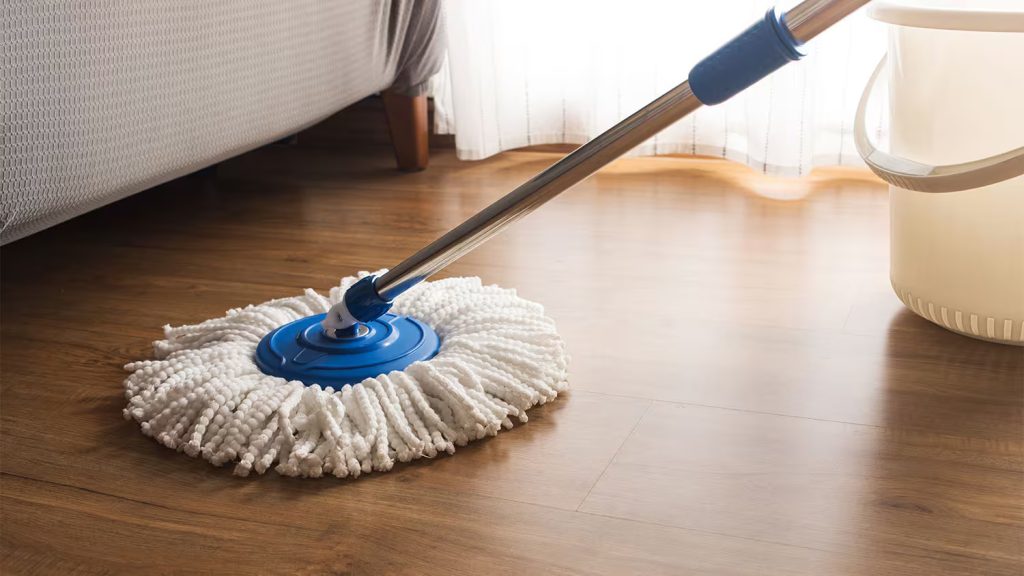
Vinyl floors can handle a lot, but regular cleaning is key to keeping them looking fresh.
Dust, grime, and foot traffic can take a toll on even the most resilient surface over time.
Building a routine with daily and weekly habits will help your floors stay bright, clean, and damage-free.
Daily Cleaning:
- Sweep or vacuum daily to remove dust and grit. Use a soft-bristled broom or a vacuum with a setting for hard floors to avoid scratching the surface.
- Follow up with a dry microfiber mop. This helps pick up fine particles that sweeping might miss and keeps the surface smooth.
Weekly Cleaning:
- Mix a few drops of mild dish soap in a bucket of warm water. The soap loosens dirt while remaining gentle on your floor’s protective finish.
- Mop with a damp (not wet) mop, as too much water can seep into seams and edges, causing lifting or damage.
- Always dry the floor thoroughly using a microfiber cloth or towel. This prevents water spots and helps preserve the floor’s appearance over time.
- Avoid harsh cleaners, steam mops, and abrasive tools as they can damage the surface and wear down the protective coating.
How to Clean Vinyl Floors with Ground-in Dirt
Foot traffic, spills, and grime can press dirt deep into the texture of vinyl floors, especially in high-use areas like hallways and kitchens.
When dirt becomes embedded, it takes more than a quick sweep to get your floors back to looking clean.
Here’s how to deal with deeply ingrained grime effectively without damaging your vinyl.
- Start by vacuuming the area thoroughly to remove all loose debris. Be sure to get into corners and edges where dirt tends to build up.
- Mix one cup of apple cider vinegar with a gallon of warm water. Vinegar acts as a natural degreaser and disinfectant, loosening the dirt without harming the vinyl surface.
- Use a soft-bristle brush or a gentle scrubbing pad to work the solution into the floor. Focus on trouble spots and scrub in small circles to lift the dirt.
- Rinse the area with clean water and dry it with a towel to prevent watermarks or streaking.
Repeat the process for stubborn spots and always avoid abrasive tools, which can scratch the vinyl.
How to Clean Yellow Stained Vinyl Floors
Yellow stains can develop on vinyl floors from prolonged exposure to sunlight, certain rubber materials, or aging.
These marks can be unsightly, but you don’t need to replace your flooring to deal with them. With the right approach, you can significantly reduce or even eliminate the discoloration.
- Make a paste using baking soda and water, about three parts baking soda to one part water is a good ratio. This mixture is mildly abrasive and can lift stains without scratching the surface.
- Spread the paste over the stained area and let it sit for 10 to 15 minutes. This gives the baking soda time to absorb and break down the stain.
- Gently scrub the spot with a soft cloth in circular motions. Don’t use brushes with hard bristles as they can damage the vinyl.
- Rinse thoroughly with clean water and wipe dry. Check the stain and repeat if necessary.
If the stain persists, try using a diluted hydrogen peroxide solution. Always test any cleaning product on an inconspicuous spot before applying it to the stained area.
How to Clean Luxury Vinyl Plank Flooring
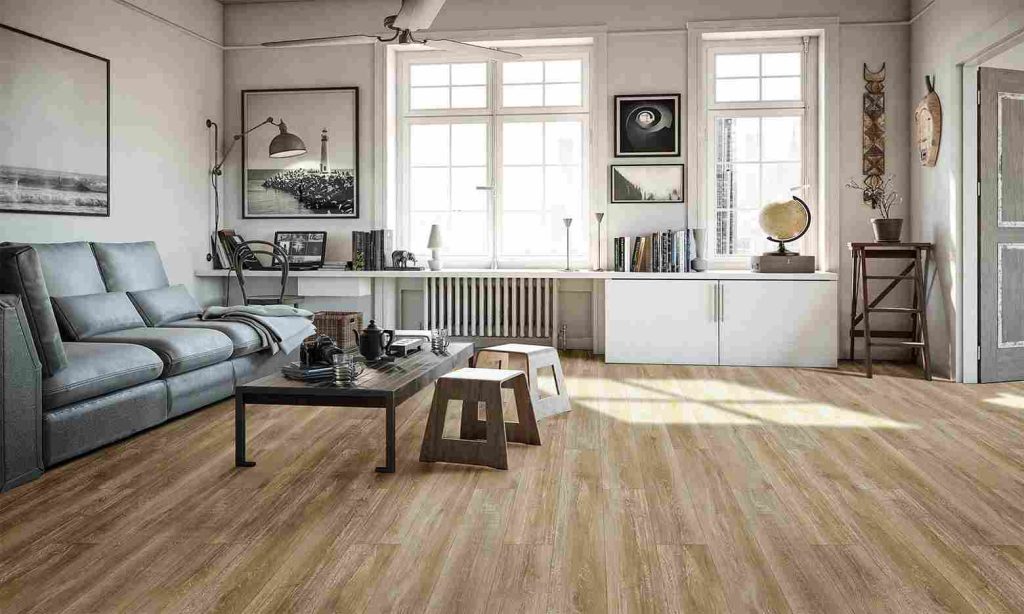
Luxury vinyl plank (LVP) offers the beauty of wood with the resilience of vinyl, making it a top choice for modern homes.
Still, to keep that realistic wood look, LVP needs the right kind of maintenance. Harsh products or improper techniques can wear down its finish and make it look dull prematurely.
Here are the tips to properly clean the LVP:
- Skip the wet mop and use a well-wrung, damp microfiber mop instead. Excess water can seep into the seams and cause planks to lift or warp.
- Choose a pH-neutral vinyl floor cleaner designed specifically for LVP. These cleaners are strong enough to remove grime without damaging the wear layer.
- Wipe up spills immediately. Letting liquids sit too long on LVP can cause stains or seep into seams, leading to water damage over time.
Also, make sure to place felt pads under furniture legs and use rugs in high-traffic areas to reduce surface wear.
How to Clean Sticky Vinyl Floors
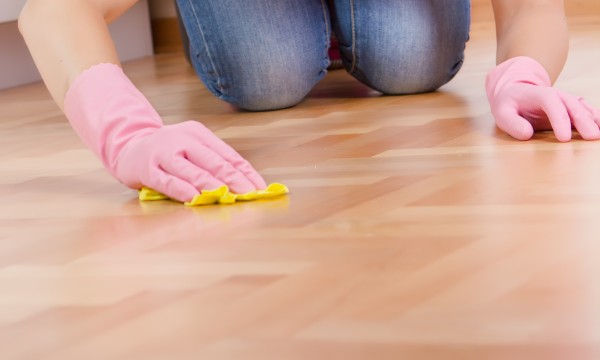
Sticky residue on vinyl floors is usually the result of spilled sugary drinks, cleaning products that weren’t rinsed properly, or greasy buildup.
Left untreated, sticky spots attract even more dirt and make your floors look grimy. Here’s how to clean them effectively.
- Mix equal parts white vinegar and warm water in a spray bottle. The vinegar cuts through grease and leftover soap, neutralizing the stickiness.
- Spray directly on the sticky area and let it sit for about five minutes. This allows the solution to soften the residue and make it easier to remove.
- Wipe the area clean using a microfiber cloth, applying light pressure in circular motions.
If the stickiness persists, repeat the process or use a few drops of dish soap in the mixture for extra cleaning power. Rinse the area afterward with clean water to prevent streaks.
How to Clean Stains from Vinyl Flooring
Accidents happen, and sometimes they leave behind stubborn stains that a regular mop can’t remove.
Whether it’s ink, food, or rubber scuffs, the trick is to target each type of stain with the right cleaner. Avoid using all-purpose products that might harm your floor’s finish.
Here is what you can do instead:
- For ink, marker, or lipstick stains, apply rubbing alcohol to a soft cloth and blot the stain. Avoid scrubbing too hard to prevent damaging the top layer.
- For food and drink stains, use a solution of warm water and a few drops of dish soap. Apply with a soft cloth and rinse well to remove any soapy residue.
- For scuff marks, rub the spot gently with a melamine sponge or even a clean tennis ball. These tools work by gently buffing the surface without scratching it.
Always follow up with a rinse of clean water and dry the spot completely to avoid streaks.
Ready to Upgrade Your Space? Contact Handyz Conceptz
If you’re thinking of upgrading your interiors or planning a home renovation, it’s worth consulting the experts.
Handyz Conceptz offers professional interior design and home renovation services in Singapore.
From choosing the right flooring to full-scale remodeling, they bring your vision to life with precision and style.
Contact Handyz Conceptz today to learn how they can transform your home or office with expert craftsmanship and personalized design solutions.
