
When deciding between vinyl or laminate flooring, it’s essential to understand the pros, cons, and best use cases for each.
Both are popular alternatives to hardwood, known for affordability and versatility. But they differ in durability, installation methods, and water resistance.
If you’re planning a renovation or upgrading your floors, this guide breaks down everything you need to know.
Understanding Vinyl and Laminate Flooring
Before choosing between vinyl or laminate flooring, it helps to know what each material is made of and how it functions in a home setting.
Vinyl Flooring
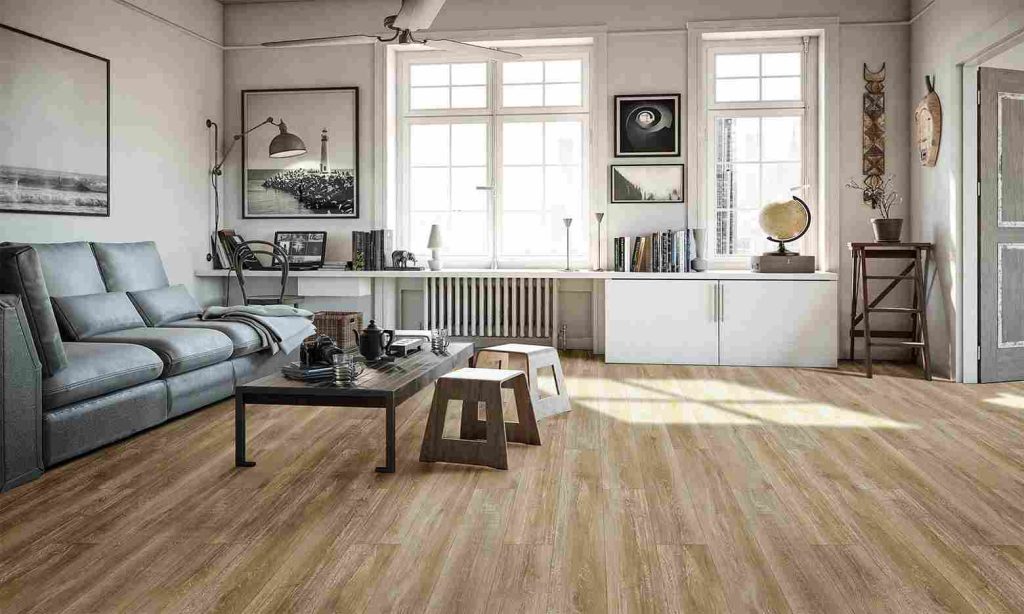
Vinyl flooring is a synthetic material made from PVC (polyvinyl chloride).
It’s available in planks, tiles, or sheets and comes in styles that mimic wood, stone, and ceramic.
Luxury vinyl planks (LVP) are especially popular because they offer a high-end look at a lower cost.
Vinyl is waterproof, making it ideal for moisture-prone areas like kitchens, bathrooms, and basements. It also feels softer underfoot and provides some noise insulation.
Laminate Flooring
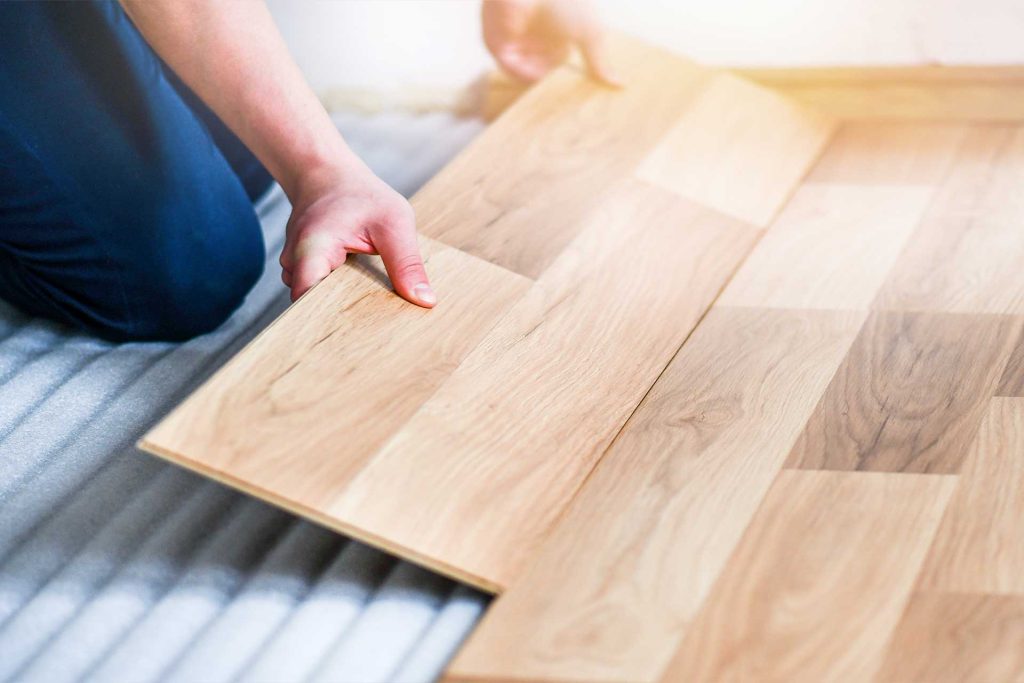
Laminate flooring consists of multiple layers: a fiberboard core, a photographic layer that mimics wood or tile, and a protective wear layer.
It’s known for its authentic wood-like appearance and ease of installation, typically using a click-lock system.
Laminate isn’t fully waterproof, though water-resistant options are now available. It’s more rigid than vinyl, which some homeowners prefer for a firmer walking surface.
Vinyl and Laminate Flooring Comparison
Now that you understand the basics of vinyl and laminate flooring, it’s time to compare them side by side.
This section highlights how these two materials stack up in terms of durability, style, cost, and other essential factors to help you make the right choice for your home.
1. Durability and Water Resistance
Durability and water resistance are two of the most critical factors when choosing vinyl or laminate flooring, especially for high-traffic or moisture-prone areas.
Vinyl is extremely durable, especially rigid core types like SPC (stone plastic composite). These can withstand heavy furniture, pet traffic, and spills without warping or damage.
Vinyl also resists scratches and dents, making it ideal for homes with kids and pets.
Laminate is durable in dry environments but can suffer if exposed to standing water. However, premium laminate floors now offer improved water resistance.
Laminate is also scratch-resistant, though the photographic top layer may show wear over time.
2. Appearance and Style Options
A big reason homeowners consider vinyl or laminate flooring is the design flexibility.
Vinyl flooring has improved dramatically in terms of appearance. Modern LVP and LVT (luxury vinyl tile) look nearly identical to hardwood, marble, or slate.
You can find various textures, colors, and plank sizes to suit any aesthetic.
Laminate also offers excellent design options. High-definition printing creates realistic wood grain visuals, and embossed textures enhance the feel. Some premium laminates rival the look of real hardwood.
3. Installation Process and Cost
Knowing how each flooring type installs—and what it costs—can help you plan your project more efficiently.
Vinyl is relatively easy to install. Peel-and-stick tiles and click-lock planks can often be installed as a DIY project. Vinyl sheets may require professional installation. It can be laid over existing floors, saving prep time and labor.
Cost Range: Vinyl flooring typically ranges from SGD $3 to $8 per square foot, depending on quality and style.
Laminate uses a floating floor system with interlocking planks, making it another DIY-friendly option. However, a foam underlayment is usually required to reduce noise and moisture.
Cost Range: Laminate flooring generally ranges from SGD $4 to $10 per square foot.
4. Maintenance and Longevity
Ongoing maintenance is another consideration when deciding between vinyl or laminate flooring.
Vinyl is low-maintenance. Just sweep and mop with a mild cleaner. It’s resistant to mold and mildew, so it’s great for humid climates.
Lifespan: 10–20 years depending on traffic and product quality.
Laminate also requires minimal upkeep. Avoid excessive water when cleaning, and use a damp mop or laminate cleaner. It’s best to use felt pads under furniture to prevent scratches.
Lifespan: 10–15 years, though high-end products can last longer.
Best Uses: Where Vinyl or Laminate Flooring Works Best
Knowing where each flooring type performs best can make your decision easier.
Where Vinyl Excels
- Kitchens and bathrooms (waterproof)
- Basements
- Pet-friendly homes
- High-humidity climates like Singapore
Where Laminate Shines
- Living rooms
- Bedrooms
- Dining areas
- Homes aiming for a hardwood aesthetic without the price
Final Thoughts: Vinyl or Laminate Flooring?
So, should you choose vinyl or laminate flooring? It depends on your priorities.
Choose vinyl flooring if:
- You need waterproofing
- You’re renovating a kitchen, bathroom, or basement
- You want easy maintenance and high durability
Choose laminate flooring if:
- You want a more realistic wood look
- You’re flooring a low-moisture area
- You prefer a firmer underfoot feel
Both options offer excellent value for money, so weigh the pros and cons based on your home’s needs.
Ready to Upgrade Your Floors? Contact Handyz Conceptz!
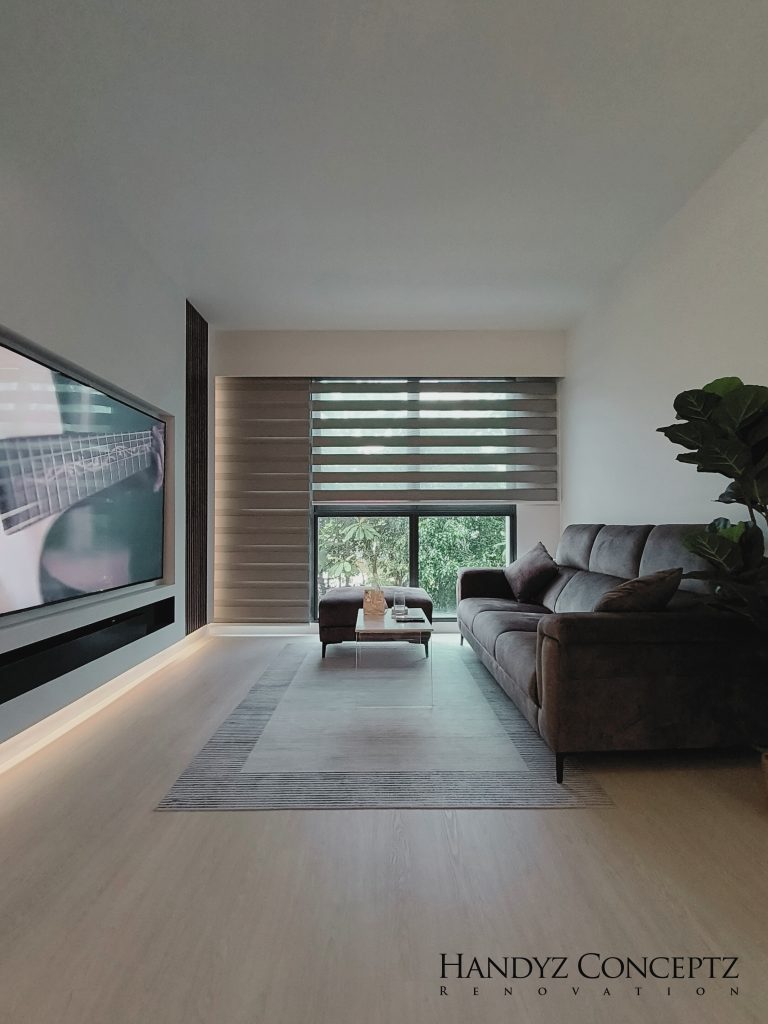
If you’re considering vinyl or laminate flooring as part of a larger renovation, Handyz Conceptz can help.
We specialize in interior design and home renovation in Singapore, offering end-to-end solutions that turn your ideas into reality.
From material selection to installation, our team ensures quality work, smart layouts, and stylish finishes.
We also handle bathroom renovations, electrical services, and other essential home maintenance needs like solving water leakage problems.
Contact Handyz Conceptz today to schedule your consultation and take the first step toward your dream home.
